




How to handle the waste generated in lost wax casting of aluminum parts?
 Jul 23, 2025|
As a supplier of Lost Wax Casting Aluminum Parts, I understand the importance of addressing the waste generated during the lost wax casting process. Lost wax casting, also known as investment casting, is a precise and versatile manufacturing method widely used in the production of high - quality aluminum parts. However, like any manufacturing process, it generates waste that needs to be managed effectively to ensure environmental sustainability and cost - efficiency.
Types of Waste in Lost Wax Casting of Aluminum Parts
In the lost wax casting of aluminum parts, several types of waste are produced. Firstly, there is the wax waste. The wax patterns used in the process are typically made from waxes such as paraffin wax or beeswax. After the investment process, these wax patterns are melted out, and some wax can be lost during this melting and recovery process. Wax waste can also occur due to damaged or defective wax patterns that are discarded.
Secondly, there is the investment material waste. The investment material, usually a ceramic slurry, is used to create the mold around the wax pattern. Once the casting is complete, the mold is broken away from the part, resulting in a significant amount of ceramic waste. This waste is often contaminated with wax residues and small amounts of aluminum.

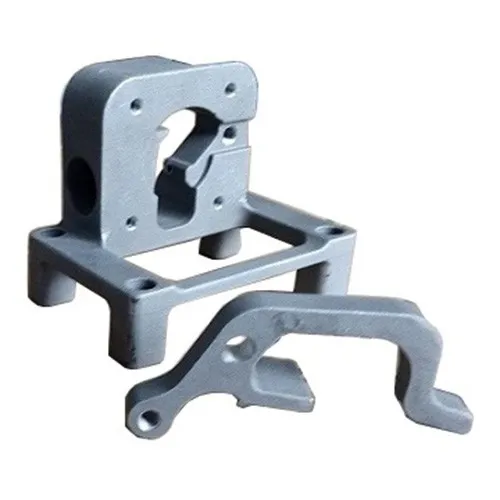
Another type of waste is the aluminum scrap. During the casting process, there may be defective castings, sprues, runners, and risers that are removed from the final part. These pieces of aluminum are considered scrap and need to be recycled or disposed of properly.
Strategies for Handling Wax Waste
To handle wax waste, one of the most effective methods is wax recycling. We can use wax recovery systems that are designed to separate the wax from the investment material and other contaminants. These systems typically involve melting the wax - containing waste and using filtration and separation techniques to purify the wax. The recovered wax can then be reused in the production of new wax patterns, reducing the need for virgin wax and saving costs.
Proper storage of wax waste is also crucial. Wax waste should be stored in a cool, dry place to prevent it from melting or degrading. Labeling the storage containers clearly can help in managing the wax waste inventory and ensuring that it is recycled in a timely manner.
Management of Investment Material Waste
For the investment material waste, recycling is also a viable option. Some companies have developed processes to reclaim and reuse the ceramic investment material. This involves crushing the used investment material and removing the wax and aluminum residues through a series of chemical and physical treatments. The reclaimed investment material can then be mixed with new material in a certain proportion to be used in the production of new molds.
However, if recycling is not feasible, the investment material waste needs to be disposed of properly. It should be sent to a licensed waste disposal facility that can handle ceramic waste. Before disposal, it is important to ensure that the waste is free from any hazardous substances, such as heavy metals or chemicals, to prevent environmental pollution.
Recycling Aluminum Scrap
Recycling aluminum scrap is an essential part of waste management in lost wax casting. Aluminum is a highly recyclable material, and recycling it consumes significantly less energy compared to producing new aluminum from bauxite ore. We can collect the aluminum scrap generated during the casting process and send it to an aluminum recycling facility.
At the recycling facility, the aluminum scrap is melted down, and impurities are removed through refining processes. The recycled aluminum can then be used to produce new aluminum alloys for casting. By recycling aluminum scrap, we not only reduce the environmental impact but also lower the production cost as recycled aluminum is generally cheaper than virgin aluminum.
Environmental and Economic Benefits of Waste Management
Effective waste management in lost wax casting of aluminum parts brings both environmental and economic benefits. From an environmental perspective, recycling wax, investment material, and aluminum scrap reduces the consumption of natural resources and minimizes the amount of waste sent to landfills. This helps in conserving energy, reducing greenhouse gas emissions, and protecting the environment.
Economically, waste recycling can lead to significant cost savings. Reusing wax and investment material reduces the need to purchase new raw materials, and recycling aluminum scrap lowers the cost of aluminum. Additionally, proper waste management can also enhance our company's reputation as an environmentally - responsible supplier, which can attract more customers who value sustainability.
Continuous Improvement in Waste Management
To further improve waste management in our lost wax casting operations, we are committed to continuous improvement. We regularly review our waste management processes to identify areas for optimization. For example, we are exploring new technologies for more efficient wax recovery and investment material recycling.
We also encourage our employees to be more aware of waste reduction. Training programs are provided to educate them on the importance of waste management and the proper procedures for handling different types of waste. By involving our employees in the waste management process, we can achieve better results and create a culture of sustainability within our company.
Conclusion
As a supplier of Investment Aluminum Casting Parts, we recognize the importance of handling the waste generated in lost wax casting of aluminum parts. Through effective waste management strategies such as wax recycling, investment material reuse, and aluminum scrap recycling, we can minimize the environmental impact and improve the economic efficiency of our operations.
If you are interested in our Aluminum Investment Casting products or Aluminum Investment Casting Products, please feel free to contact us for procurement and negotiation. We are committed to providing high - quality products and excellent service while adhering to strict environmental standards.
References
- Campbell, J. (2003). Castings. Butterworth - Heinemann.
- ASM Handbook Committee. (2008). ASM Handbook Volume 15: Casting. ASM International.
- Schubert, H. (2007). Recycling of Non - Ferrous Metals. Springer.