




What are the differences between ball valve parts and gate valve parts?
 Jul 28, 2025|
 Hey there! As a valve parts supplier, I've been dealing with all sorts of valve components for years. One common question I often get is about the differences between ball valve parts and gate valve parts. So, let's dive right in and break it down.
Basic Structure and Function
First off, let's talk about how these two types of valves work and what their key parts are.
A ball valve is pretty straightforward. Its main component is a ball with a hole in the middle. When the valve is open, the hole in the ball aligns with the pipeline, allowing fluid to flow through. When you turn the valve handle a quarter - turn (90 degrees), the ball rotates, and the solid part of the ball blocks the pipeline, stopping the flow. The essential parts of a ball valve include the ball itself, the valve body, the stem, and the seats. The valve body houses all the other parts, the stem connects the handle to the ball, and the seats create a seal around the ball to prevent leakage.
On the other hand, a gate valve operates in a different way. It has a gate - like disc that moves up and down to control the flow. When the gate is fully raised, it allows unrestricted flow through the valve. When the gate is lowered, it blocks the flow path. The main parts of a gate valve are the gate, the valve body, the stem, and the bonnet. The bonnet is like a cover on top of the valve body, which helps to keep the internal parts in place and provides a seal.
Sealing Performance
Sealing is a crucial aspect when it comes to valves. Ball valves generally have excellent sealing performance. The seats in a ball valve are designed to fit tightly around the ball, creating a reliable seal. This makes them ideal for applications where zero leakage is required, such as in the oil and gas industry or in high - pressure systems. Even after multiple cycles of opening and closing, ball valves can maintain a good seal.
Gate valves, however, may not have the same level of sealing performance. While they can provide a good seal when fully closed, over time, the gate can wear out, and the sealing surfaces may get damaged. This can lead to minor leakage, especially in applications with high - pressure differentials. But in low - pressure and non - critical applications, gate valves can still work just fine.
Flow Characteristics
The flow characteristics of ball valves and gate valves are also quite different.
Ball valves offer a very smooth and unrestricted flow. Since the hole in the ball is usually the same size as the pipeline, there is minimal pressure drop across the valve. This makes them suitable for applications where maintaining a high flow rate is important, like in water supply systems or in some chemical processing plants.

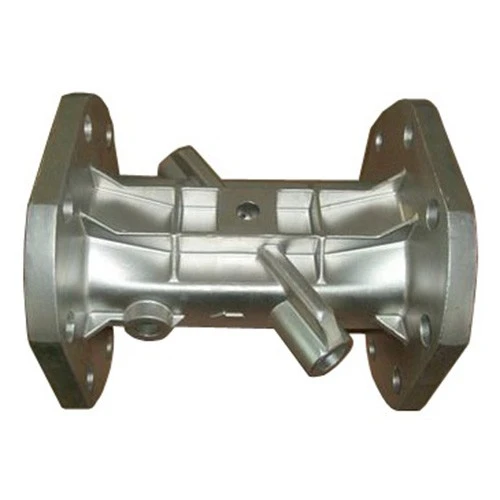
Gate valves, on the other hand, have a more complex flow path. When the gate is partially open, the flow can be turbulent, which may cause some pressure loss. However, when fully open, gate valves provide a straight - through flow, similar to a section of pipe. So, they are often used in applications where the valve is either fully open or fully closed, such as in isolation applications in large pipelines.
Operating Torque
Operating torque refers to the amount of force needed to open or close a valve.
Ball valves typically have a relatively low operating torque. Because of the quarter - turn operation, it doesn't take much effort to rotate the ball. This makes them easy to operate, even in large - sized valves. You can use a simple handwheel or even an automated actuator to control a ball valve.
Gate valves, on the contrary, usually require a higher operating torque, especially in larger sizes. The gate has to be lifted or lowered against the pressure of the fluid, which can be quite challenging. In some cases, you may need a gearbox or a powerful actuator to operate a gate valve effectively.
Durability and Maintenance
Durability and maintenance are important factors to consider when choosing valve parts.
Ball valves are generally more durable. The ball and seats are made of hard - wearing materials, and the simple design means there are fewer parts that can fail. They also require less maintenance. You may only need to check the seats and the stem packing periodically to ensure proper sealing. For investment casting valve spare parts that can enhance the durability of ball valves, you can check out Investment Casting Valve Spare Parts.
Gate valves, on the other hand, may need more maintenance. The gate and the sealing surfaces can wear out over time, and the stem may need lubrication to operate smoothly. If the valve is not maintained properly, it can lead to problems such as leakage or difficulty in opening and closing. However, with proper care and regular maintenance, gate valves can also have a long service life.
Applications
The differences in their characteristics make ball valves and gate valves suitable for different applications.
Ball valves are commonly used in applications where quick shut - off is required, such as in emergency shutdown systems. They are also popular in applications with high - pressure and high - temperature fluids, like in power plants and refineries. Additionally, their good sealing performance makes them a great choice for corrosive or toxic fluid applications.
Gate valves are often used in applications where the valve is mainly used for isolation, such as in water distribution networks or in large - scale industrial pipelines. They are also suitable for applications where a straight - through flow is needed, like in some sewage systems.
Material and Manufacturing
The materials used to make ball valve parts and gate valve parts can be similar, but there are also some differences.
For ball valves, stainless steel is a popular choice because of its corrosion resistance and strength. You can find high - quality Stainless Steel Casting Valve Parts that are suitable for various ball valve applications. The ball and seats may also be made of other materials such as ceramic or PTFE, depending on the specific requirements of the application.
Gate valves can also be made of stainless steel, but in some cases, cast iron or carbon steel may be used, especially for large - sized valves. The gate and the sealing surfaces may be coated with materials to improve their wear resistance and sealing performance. Investment casting is a common manufacturing process for both ball valve parts and gate valve parts. For more information on valve parts investment casting, check out Valve Parts Investment Casting.
Conclusion
In conclusion, ball valve parts and gate valve parts have distinct differences in terms of structure, sealing performance, flow characteristics, operating torque, durability, maintenance, applications, and materials. Understanding these differences is crucial when choosing the right valve for your specific needs.
As a valve parts supplier, I can offer a wide range of high - quality ball valve parts and gate valve parts. Whether you need a small - sized ball valve for a laboratory application or a large - scale gate valve for an industrial pipeline, I've got you covered. If you're interested in purchasing valve parts or have any questions about the differences between ball valve parts and gate valve parts, feel free to get in touch. I'm always happy to help you make the right choice for your project.
References
- ASME Standards on Valves
- API Standards for Valve Design and Manufacturing
- Various industry technical papers on valve technology