




What are the safety precautions in aluminum investment casting?
 Jan 15, 2026|
 As a seasoned supplier in the field of Aluminum Investment Casting, I understand the paramount importance of safety precautions in this intricate manufacturing process. Aluminum investment casting, also known as lost-wax casting, is a highly precise and versatile method used to produce complex metal parts with excellent surface finish and dimensional accuracy. However, it involves several steps and materials that can pose potential hazards if not handled properly. In this blog post, I will delve into the key safety precautions that should be taken throughout the aluminum investment casting process to ensure the well-being of workers and the quality of the final products.
Safety Precautions in Pattern Making
The first step in aluminum investment casting is pattern making, where a wax or plastic pattern is created to replicate the desired part. This stage involves the use of various tools and materials, such as wax injection machines, pattern dies, and solvents. To ensure safety during pattern making, the following precautions should be observed:
- Proper Ventilation: Wax injection machines and solvents can release harmful fumes and vapors. Therefore, it is essential to work in a well-ventilated area or use local exhaust ventilation systems to remove these contaminants from the air.
- Personal Protective Equipment (PPE): Workers should wear appropriate PPE, including gloves, safety glasses, and respirators, to protect themselves from wax splashes, chemical exposure, and inhalation of fumes.
- Tool Maintenance: Regular maintenance of pattern-making tools, such as wax injection machines and pattern dies, is crucial to prevent malfunctions and accidents. Tools should be inspected for wear and tear, and any damaged parts should be replaced immediately.
- Safe Handling of Solvents: Solvents used for pattern cleaning and finishing can be flammable and toxic. Workers should handle these solvents with care, following the manufacturer's instructions and storing them in a cool, dry place away from sources of ignition.
Safety Precautions in Shell Building
After the pattern is made, a ceramic shell is built around it through a series of dipping and drying steps. This process involves the use of ceramic slurries, stucco materials, and drying ovens. To ensure safety during shell building, the following precautions should be taken:
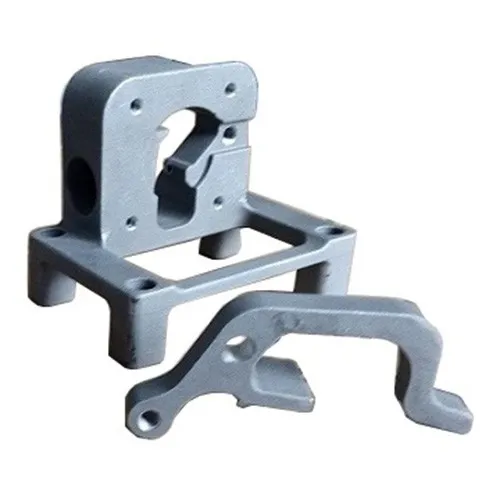

- Dust Control: Ceramic slurries and stucco materials can generate dust, which can be harmful if inhaled. Workers should wear dust masks and use dust collection systems to minimize dust exposure.
- Proper Mixing of Slurries: Ceramic slurries should be mixed according to the manufacturer's instructions to ensure proper consistency and performance. Workers should use appropriate mixing equipment and follow safe mixing procedures to prevent spills and splashes.
- Safe Operation of Drying Ovens: Drying ovens used for shell building can reach high temperatures, posing a risk of burns and fires. Workers should follow the oven's operating instructions, including preheating times, temperature settings, and ventilation requirements. They should also use heat-resistant gloves and other protective equipment when handling hot shells.
- Storage of Materials: Ceramic slurries, stucco materials, and other shell-building materials should be stored in a dry, cool place to prevent degradation and contamination. Workers should also ensure that these materials are properly labeled and stored away from sources of heat and moisture.
Safety Precautions in Wax Removal and Melting
Once the ceramic shell is built, the wax pattern is removed through a process called dewaxing. This can be done through steam autoclaving, flash firing, or other methods. After dewaxing, the shell is preheated and then filled with molten aluminum. To ensure safety during wax removal and melting, the following precautions should be observed:
- Proper Dewaxing Procedures: Dewaxing methods should be selected based on the type of wax and shell material used. Workers should follow the recommended dewaxing procedures to ensure complete wax removal without damaging the shell.
- Safe Handling of Molten Aluminum: Molten aluminum can reach extremely high temperatures and can cause severe burns if it comes into contact with skin. Workers should wear appropriate PPE, including heat-resistant gloves, aprons, and face shields, when handling molten aluminum. They should also use proper pouring techniques and equipment to prevent spills and splashes.
- Melting Furnace Safety: Melting furnaces used for aluminum casting should be properly maintained and operated to prevent malfunctions and accidents. Furnaces should be equipped with safety features, such as temperature controls, pressure relief valves, and emergency shut-off switches. Workers should also follow the furnace's operating instructions and perform regular inspections and maintenance.
- Fire Prevention: Molten aluminum is highly flammable, and fires can occur if proper precautions are not taken. Workers should keep the work area clean and free of flammable materials, and they should have fire extinguishers readily available in case of an emergency.
Safety Precautions in Casting and Finishing
After the molten aluminum is poured into the ceramic shell, it is allowed to solidify. Once the casting has cooled, the ceramic shell is removed, and the casting is finished through various processes, such as grinding, machining, and heat treatment. To ensure safety during casting and finishing, the following precautions should be taken:
- Casting Cooling: Castings should be allowed to cool slowly and evenly to prevent cracking and other defects. Workers should use appropriate cooling methods, such as air cooling or water quenching, based on the type of aluminum alloy and casting design.
- Shell Removal: The ceramic shell should be removed carefully to avoid damaging the casting. Workers should use appropriate tools, such as hammers and chisels, and follow safe shell-removal procedures to prevent injuries from flying debris.
- Finishing Operations: Finishing operations, such as grinding, machining, and heat treatment, can generate dust, noise, and heat. Workers should wear appropriate PPE, including dust masks, earplugs, and heat-resistant clothing, to protect themselves from these hazards. They should also use proper equipment and follow safe operating procedures to prevent accidents and injuries.
- Quality Control: Quality control checks should be performed throughout the casting and finishing process to ensure that the final products meet the required specifications and standards. Workers should use appropriate inspection tools and techniques, such as dimensional measurement devices and non-destructive testing methods, to detect and correct any defects or issues.
Conclusion
In conclusion, safety is of utmost importance in aluminum investment casting. By following the safety precautions outlined in this blog post, workers can minimize the risks associated with pattern making, shell building, wax removal and melting, casting, and finishing. As a [Your Company] supplier of Investment Aluminum Casting Parts, Aluminum Lost Wax Casting, and Aluminum Investment Casting, we are committed to providing high-quality products and ensuring the safety of our workers and customers. If you are interested in learning more about our aluminum investment casting services or have any questions about safety precautions, please feel free to contact us for a detailed discussion and potential procurement opportunities.
References
- ASM Handbook, Volume 15: Casting, ASM International, 2008.
- Aluminum Association, Aluminum Casting Handbook, 2012.
- OSHA Technical Manual, Section IV, Chapter 5: Foundry Operations, Occupational Safety and Health Administration, 2015.