




What are the storage requirements for valve parts investment casting products?
 Dec 29, 2025|
 As a seasoned supplier in the field of Valve Parts Investment Casting, I understand the critical role that proper storage plays in maintaining the quality and integrity of our products. In this blog, I will delve into the specific storage requirements for valve parts investment casting products, offering insights based on industry best practices and our own extensive experience.

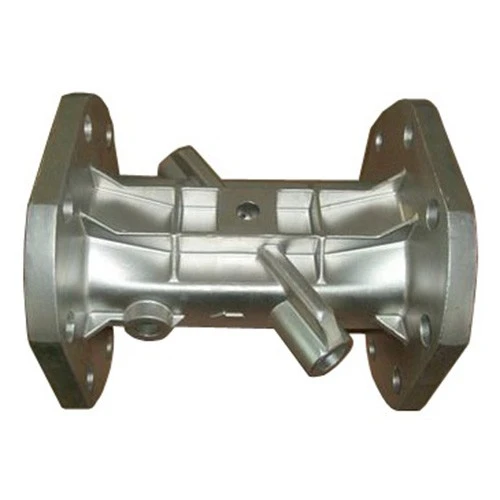
Environmental Conditions
One of the primary factors to consider when storing valve parts investment casting products is the environmental conditions. These products are often made from high-quality materials such as stainless steel, which can be susceptible to corrosion if exposed to certain elements. Therefore, it is essential to store them in a clean, dry, and well-ventilated environment.
- Temperature: The ideal temperature range for storing valve parts investment casting products is between 10°C and 30°C (50°F and 86°F). Extreme temperatures can cause the materials to expand or contract, leading to potential damage or dimensional changes. Additionally, fluctuations in temperature can create condensation, which can accelerate corrosion.
- Humidity: Humidity levels should be kept below 60% to prevent the formation of rust and other forms of corrosion. High humidity can also promote the growth of mold and mildew, which can damage the surface of the valve parts. To control humidity, consider using dehumidifiers or storing the products in a climate-controlled environment.
- Ventilation: Proper ventilation is crucial to prevent the buildup of moisture and harmful gases. Ensure that the storage area has adequate airflow to keep the air fresh and dry. This can help reduce the risk of corrosion and other environmental damage.
Protection from Physical Damage
Valve parts investment casting products are often delicate and can be easily damaged if not handled properly. Therefore, it is important to take precautions to protect them from physical damage during storage.
- Packaging: Use high-quality packaging materials to protect the valve parts from scratches, dents, and other forms of damage. Bubble wrap, foam inserts, and corrugated boxes are all effective options for cushioning the products and preventing them from shifting during storage and transportation.
- Stacking: When stacking valve parts, ensure that they are arranged in a stable and secure manner to prevent them from toppling over. Avoid stacking heavy objects on top of the valve parts, as this can cause them to deform or break.
- Handling: Train your staff on proper handling techniques to minimize the risk of damage. Use appropriate lifting equipment, such as forklifts or pallet jacks, to move the valve parts safely. Avoid dragging or dropping the products, as this can cause significant damage.
Protection from Chemical Exposure
Valve parts investment casting products can be sensitive to certain chemicals, which can cause corrosion, staining, or other forms of damage. Therefore, it is important to store them away from chemicals and other potentially harmful substances.
- Chemicals: Keep the valve parts away from acids, alkalis, solvents, and other chemicals that can react with the materials. If the products need to be cleaned or treated with chemicals, ensure that they are thoroughly rinsed and dried before storage.
- Contamination: Prevent the valve parts from coming into contact with dirt, dust, and other contaminants. Keep the storage area clean and free of debris, and use protective covers or containers to prevent the products from being exposed to the environment.
Organization and Inventory Management
Proper organization and inventory management are essential for ensuring the efficient storage and retrieval of valve parts investment casting products. By keeping a detailed inventory of the products, you can easily track their location, quantity, and condition, and ensure that they are available when needed.
- Labeling: Label each valve part with a unique identifier, such as a part number or serial number, to make it easy to identify and track. Include information such as the product name, size, material, and quantity on the label.
- Storage Location: Assign a specific storage location for each valve part, and ensure that it is clearly marked and organized. Use shelves, bins, or racks to store the products in an orderly manner, and keep them grouped by type, size, or other relevant criteria.
- Inventory System: Implement an inventory management system to track the movement of the valve parts in and out of storage. This can help you monitor stock levels, identify trends, and ensure that you have the right products on hand when needed.
Conclusion
In conclusion, proper storage is essential for maintaining the quality and integrity of valve parts investment casting products. By following the guidelines outlined in this blog, you can ensure that your products are stored in a clean, dry, and well-ventilated environment, protected from physical damage and chemical exposure, and organized and managed effectively. If you have any questions or need further information about the storage requirements for valve parts investment casting products, please do not hesitate to contact us. We are a leading supplier of Investment Casting Valve Spare Parts, Valve Parts Lost Wax Casting, and Stainless Steel Casting Valve Parts, and we are committed to providing our customers with the highest quality products and services.
References
- "Valve Parts Manufacturing Handbook," National Valve and Fitting Association
- "Investment Casting Technology," Society of Manufacturing Engineers
- "Corrosion Prevention and Control in Industrial Environments," NACE International