




What are the wear - resistance requirements for valve parts investment casting products?
 May 15, 2025|
Hey there! As a supplier of Valve Parts Investment Casting, I've had my fair share of experiences dealing with the wear - resistance requirements for these products. In this blog, I'll break down what those requirements are, why they matter, and how we ensure our products meet them.
Understanding Wear - Resistance in Valve Parts
First off, let's talk about what wear - resistance actually means. Wear - resistance is the ability of a material to withstand the damage caused by friction, abrasion, erosion, and other types of mechanical or chemical interactions. In the context of valve parts, wear can occur due to the flow of fluids (liquids or gases), the movement of valve components against each other, and exposure to harsh chemicals.
For valve parts, wear - resistance is crucial because it directly impacts the performance and lifespan of the valve. A valve that isn't wear - resistant will experience premature failure, leading to costly repairs, downtime, and potential safety hazards. For example, if a valve in a chemical processing plant wears out quickly, it could lead to leaks of dangerous chemicals, which is a huge no - no.
Factors Affecting Wear - Resistance Requirements
Fluid Characteristics
The type of fluid flowing through the valve plays a big role in determining the wear - resistance requirements. If the fluid is abrasive, like a slurry containing solid particles, the valve parts need to be highly wear - resistant. For instance, in mining operations, valves are used to control the flow of slurries that contain rocks and minerals. These slurries can cause significant abrasion to the valve parts, so we need to use materials that can handle this kind of abuse.
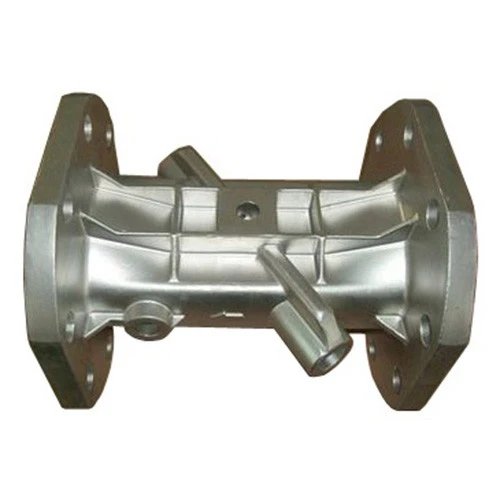
On the other hand, if the fluid is a clean, non - abrasive liquid or gas, the wear - resistance requirements might be lower. However, we still can't cut corners, as even clean fluids can cause some level of wear over time.
Operating Conditions
The operating conditions of the valve also affect the wear - resistance requirements. High - pressure and high - temperature environments can accelerate wear. For example, in a steam power plant, valves are exposed to high - pressure steam at very high temperatures. This can cause thermal expansion and contraction of the valve parts, leading to increased wear. In such cases, we need to use materials that can maintain their wear - resistance properties under these extreme conditions.
Valve Design and Function
Different valve designs and functions have different wear - resistance requirements. For example, a ball valve that is frequently opened and closed will experience more wear on the ball and seat compared to a gate valve that is mostly used in an open or closed position. We need to consider these factors when designing and manufacturing the valve parts to ensure they can withstand the specific wear patterns associated with their function.
Materials for Wear - Resistant Valve Parts
Stainless Steel
Stainless steel is a popular choice for valve parts investment casting because of its good corrosion resistance and moderate wear - resistance. Stainless Steel Casting Valve Parts are commonly used in a wide range of applications, from water treatment to food processing. Different grades of stainless steel offer different levels of wear - resistance. For example, martensitic stainless steels are known for their high hardness and good wear - resistance, making them suitable for applications where abrasion is a concern.
Alloy Steels
Alloy steels are another option for wear - resistant valve parts. These steels are made by adding various alloying elements, such as chromium, nickel, and molybdenum, to improve their mechanical properties. Alloy steels can offer excellent wear - resistance, especially in high - stress applications. For example, in oil and gas pipelines, valve parts made from alloy steels can withstand the high - pressure flow of oil and gas, as well as the presence of corrosive substances.
Ceramics
Ceramics are extremely wear - resistant and are often used in applications where the highest level of wear - resistance is required. However, they are also brittle and more difficult to manufacture compared to metals. Investment Casting Valve Spare Parts made from ceramics are commonly used in high - precision valves, such as those used in semiconductor manufacturing.
Our Approach to Meeting Wear - Resistance Requirements
As a Valve Parts Investment Casting supplier, we take several steps to ensure that our products meet the wear - resistance requirements.
Material Selection
We carefully select the materials based on the specific requirements of the application. We work closely with our customers to understand the fluid characteristics, operating conditions, and valve design. This allows us to choose the most suitable material that will provide the required level of wear - resistance.
Precision Casting Process
We use the investment casting process, also known as Valve Parts Lost Wax Casting, to manufacture our valve parts. This process allows us to achieve high precision and complex geometries, which is important for ensuring proper fit and function of the valve parts. By controlling the casting process parameters, we can also improve the microstructure of the material, which in turn enhances its wear - resistance.
Quality Control
We have a strict quality control system in place to ensure that our products meet the highest standards. We conduct various tests, such as hardness testing, wear testing, and corrosion testing, to verify the wear - resistance properties of our valve parts. Any parts that don't meet the requirements are rejected, and we work to improve our processes to prevent similar issues in the future.
Why Choose Us?
When it comes to finding a reliable supplier for valve parts investment casting, there are several reasons why you should choose us.
Experience
We have years of experience in the valve parts investment casting industry. We've worked with a wide range of customers from different industries, and we understand the unique wear - resistance requirements of each application.
Customization
We offer customized solutions to meet your specific needs. Whether you need a standard valve part or a custom - designed one, we can work with you to develop the right product.
Quality Assurance
Our strict quality control system ensures that you get high - quality, wear - resistant valve parts. We stand behind our products and are committed to providing you with the best possible service.
Let's Connect!
If you're in the market for high - quality, wear - resistant valve parts investment casting products, I'd love to hear from you. Whether you have a specific project in mind or just want to learn more about our products, feel free to reach out. We're here to help you find the best solutions for your valve part needs. Let's start a conversation and see how we can work together to meet your requirements.
References
-ASM Handbook, Volume 3: Alloy Phase Diagrams
-ASM Handbook, Volume 18: Friction, Lubrication, and Wear Technology
-Valve Handbook, 4th Edition by David W. Miller
