




What is the function of the valve stem in valve parts?
 Dec 31, 2025|
 In the intricate world of valve systems, each component plays a crucial role in ensuring the efficient and reliable operation of various industrial processes. Among these components, the valve stem stands out as a key element that often goes unnoticed but is essential for the proper functioning of valves. As a leading supplier of Valve Parts, we understand the significance of the valve stem and its functions in valve parts. In this blog post, we will delve into the details of the valve stem, exploring its functions, types, and importance in different valve applications.

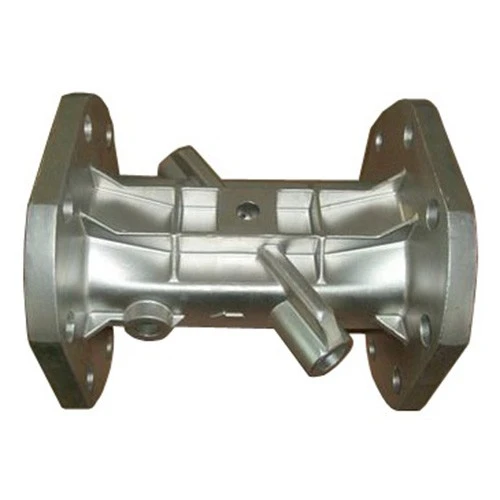
Understanding the Valve Stem
The valve stem is a slender rod-like component that connects the valve actuator to the valve disc or plug. It serves as a mechanical link between the actuator, which provides the driving force, and the valve closure element, which controls the flow of fluid through the valve. The valve stem is typically made of high-strength materials such as stainless steel, carbon steel, or alloy steel to withstand the high pressures and forces encountered in valve operation.
Functions of the Valve Stem
1. Transmission of Motion
One of the primary functions of the valve stem is to transmit the motion from the actuator to the valve disc or plug. When the actuator is activated, it generates a linear or rotational motion that is transferred to the valve stem. The valve stem then converts this motion into the appropriate movement of the valve closure element, such as opening or closing the valve. This transmission of motion is essential for controlling the flow of fluid through the valve and regulating the process parameters.
2. Sealing
The valve stem also plays a crucial role in maintaining the seal between the valve body and the valve closure element. In many valves, the valve stem passes through a packing gland or a seal assembly, which prevents the leakage of fluid along the stem. The packing material, such as graphite or PTFE, is compressed around the valve stem to create a tight seal. The valve stem must be smooth and straight to ensure proper sealing and prevent leakage.
3. Positioning
Another important function of the valve stem is to accurately position the valve disc or plug within the valve body. The valve stem is designed to move the valve closure element to the desired position, such as fully open, fully closed, or partially open. This precise positioning is essential for controlling the flow rate, pressure, and temperature of the fluid passing through the valve. The valve stem must be able to withstand the forces exerted on it during operation to maintain the correct position of the valve closure element.
4. Adjustment
In some valves, the valve stem can be used to make fine adjustments to the position of the valve disc or plug. This adjustment allows for precise control of the flow rate and pressure of the fluid. For example, in a control valve, the valve stem can be adjusted to vary the opening of the valve and regulate the flow of fluid based on the process requirements. The ability to make these adjustments is essential for optimizing the performance of the valve and the overall process.
Types of Valve Stems
1. Rising Stem
A rising stem valve is a type of valve in which the valve stem moves linearly as the valve is opened or closed. In a rising stem gate valve or globe valve, the valve stem rises out of the valve body when the valve is opened, indicating the position of the valve. Rising stem valves are commonly used in applications where the position of the valve needs to be easily visible, such as in industrial pipelines and power plants.
2. Non-Rising Stem
A non-rising stem valve is a type of valve in which the valve stem rotates but does not move linearly as the valve is opened or closed. In a non-rising stem ball valve or plug valve, the valve stem remains stationary while the valve disc or plug rotates to open or close the valve. Non-rising stem valves are often used in applications where space is limited or where the valve needs to be operated in a confined area.
3. Extended Stem
An extended stem valve is a type of valve in which the valve stem is extended beyond the normal length to accommodate special installation requirements. Extended stem valves are commonly used in applications where the valve is installed in a deep pit, underground, or in a high-temperature environment. The extended stem allows for easy access to the valve actuator and provides additional protection for the valve stem and packing.
Importance of the Valve Stem in Different Valve Applications
1. Industrial Applications
In industrial applications, such as oil and gas, chemical processing, and power generation, valves are used to control the flow of various fluids, including liquids, gases, and steam. The valve stem plays a critical role in ensuring the reliable and efficient operation of these valves. A malfunctioning valve stem can lead to leakage, improper valve operation, and even system failure. Therefore, it is essential to choose high-quality valve stems that are designed to withstand the harsh conditions and high pressures encountered in industrial applications.
2. Water and Wastewater Treatment
In water and wastewater treatment plants, valves are used to control the flow of water, chemicals, and sludge. The valve stem in these applications must be resistant to corrosion and erosion to ensure long-term reliability. Stainless steel valve stems are commonly used in water and wastewater treatment applications due to their excellent corrosion resistance and durability.
3. HVAC Systems
In heating, ventilation, and air conditioning (HVAC) systems, valves are used to control the flow of hot and cold water, steam, and refrigerant. The valve stem in HVAC applications must be able to operate at low temperatures and pressures and provide precise control of the flow rate. Control valves with adjustable valve stems are often used in HVAC systems to optimize the energy efficiency and comfort of the building.
Conclusion
In conclusion, the valve stem is a critical component in valve parts that performs several important functions, including the transmission of motion, sealing, positioning, and adjustment. The type of valve stem used depends on the specific application and the requirements of the valve. As a leading supplier of Valve Parts Lost Wax Casting and Investment Casting Valve Spare Parts, we offer a wide range of high-quality valve stems that are designed to meet the needs of various industries. If you are in need of valve parts or have any questions about valve stems, please feel free to contact us. Our team of experts will be happy to assist you in finding the right solution for your application.
References
- Valve Handbook, 4th Edition, by Dietrich Netzer
- Valve Selection Handbook, by Tom Isaza
- ASME B16.34 - Valves - Flanged, Threaded, and Welding End