




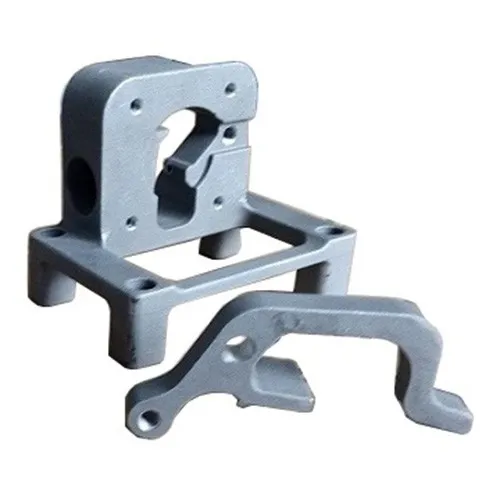
Stainless Steel Casting Automotive Spare Parts
Stainless steel is lightweight compared to other metals, which makes it ideal for automotive spare parts. Lightweight parts increase fuel efficiency and reduce emissions, which is good for the environment and the customer's wallet.

- Product Introduction
Stainless steel casting automotive spare parts are components used in vehicles that are made using the process of stainless steel casting. Some examples of such parts include engine parts, transmission components, suspension parts, brakes, exhaust systems, and other vital parts used for the smooth functioning and durability of automobiles. Stainless steel casting is a process of creating precision parts by making a mold of the desired shape and pouring molten stainless steel into it. The molten steel takes the shape of the mold and solidifies, creating a highly durable and resistant part that can withstand high pressure and temperature. Stainless steel casting automotive spare parts are known for their strength, corrosion resistance, and high performance, making them the preferred choice for manufacturing parts in the automotive industry.
Advantages of Stainless Steel Casting Automotive Spare Parts
Durability
The durability of stainless steel castings is unmatched. They can withstand high temperatures, harsh weather conditions, and corrosion. Therefore, automotive spare parts made from stainless steel have a longer lifespan compared to those made from other materials.
Weight reduction
Stainless steel is lightweight compared to other metals, which makes it ideal for automotive spare parts. Lightweight parts increase fuel efficiency and reduce emissions, which is good for the environment and the customer's wallet.
Customizable
Stainless steel casting can be customized to create intricate shapes, designs, and sizes. Therefore, automotive spare parts can be made to fit a vehicle's unique specifications and requirements with ease.
Cost-effective
The cost of manufacturing stainless steel castings is relatively low compared to other methods such as machining. This makes it a cost-effective option for automotive manufacturers, which translates to lower costs for the end customer.
Reduced waste
The stainless steel casting process has minimal waste, which reduces material and cost wastage. In addition, the process is energy-efficient making it environmentally friendly.
Resistance to corrosion
Stainless steel offers exceptional resistance to corrosion, making it ideal for automotive parts that undergo harsh weather conditions.


Why Choose Us
High quality
Our products are manufactured or executed to a very high standard, using the finest materials and manufacturing processes.
Advanced equipment
A machine, tool or instrument designed with advanced technology and functionality to perform highly specific tasks with greater precision, efficiency and reliability.
Quality control
We have built a professional quality control team to accurately inspect every raw material and every production process
Professional team
Our professional team collaborates and communicates effectively with each other, and is dedicated to delivering high quality results. We are capable of handling complex challenges and projects that require our specialized expertise and experience.
Customized services
We understand that each customer has unique manufacturing needs. That's why we offer customization options to cater to your specific requirements.
24H online service
We try and respond to all concerns within 24 hours and our teams are always at your disposal in case of any emergencies.
Exhaust system parts
Stainless steel casting is popularly used in the manufacturing of different exhaust system parts, including manifolds, catalytic converters, and mufflers. This technique is preferred because stainless steel is resistant to high temperatures, corrosion, and rust, making it ideal for exhaust system components.
Engine parts
Various engine components, such as cylinder heads, blocks, and pistons, are also manufactured using stainless steel casting. This technique helps to produce components with high precision, superior surface finish, and durability, which are vital for high-performance engines.
Suspension parts
Suspension parts, such as control arms, ball joints, and strut mounts, are subjected to constant stress and exposure to the elements. Stainless steel casting is ideal for such applications because it produces components that are strong, corrosion-resistant, and capable of handling high loads.
Braking system parts
Stainless steel casting is also used in the manufacturing of various braking system components, such as brake calipers, rotors, and drums. These components must be strong and durable to handle the stresses and high temperatures generated during braking.
Fuel system parts
Stainless steel casting is widely used in the manufacture of fuel system components, including fuel injectors, fuel rails, and fuel pump housings. Stainless steel is an ideal material for these components as it is highly resistant to corrosion and heat.
Material of Stainless Steel Casting Automotive Spare Parts
Stainless steel casting automotive spare parts are commonly made of austenitic stainless steel, martensitic stainless steel, and ferritic stainless steel. Austenitic stainless steel is known for its excellent corrosion resistance properties and is commonly used in automotive parts such as exhaust systems, manifolds, and catalytic converters. Martensitic stainless steel is known for its high strength and wear resistance properties, and is commonly used in parts such as brake calipers, brake rotors, and suspension components. Ferritic stainless steel is known for its high resistance to corrosion and is commonly used in parts such as exhaust systems and mufflers. The casting process used to manufacture these automotive spare parts involves pouring molten stainless steel into a mold to create the desired shape. The resulting cast parts are then machined to achieve the desired finish and dimensions. Stainless steel casting automotive spare parts are known for their durability, strength, and resistance to corrosion, making them a popular choice among manufacturers in the automotive industry.
Application of Stainless Steel Casting Automotive Spare Parts
Engine components
Stainless steel casting is widely used in the production of engine components such as valve bodies, turbocharger components, and exhaust manifolds. These parts undergo high-temperature and high-pressure conditions that require high strength and corrosion resistance. Stainless steel casting ensures that these parts can withstand these harsh conditions.
Brake components
Parts such as brake calipers and rotors are also commonly made using stainless steel casting. These parts need to have high strength, resistance to heat, and corrosion resistance. Stainless steel casting ensures that these parts can withstand high temperatures and friction, ensuring the safety and reliability of the braking system.

Suspension components
Suspension components such as brackets, arms, and shackles are all made using stainless steel casting. These components need to be strong, durable, and resistant to wear and tear as they undergo a lot of stress and pressure. Stainless steel casting ensures that these parts can provide reliable performance for long periods.
Transmission components
Transmission components such as gears and shafts are made using stainless steel casting due to their high strength and resistance to wear and tear. These parts require precise and accurate manufacturing, which is easily achievable through stainless steel casting.

Process of Stainless Steel Casting Automotive Spare Parts
Design
The first step in the production of stainless steel automotive spare parts is the design stage. This is where engineers and designers create a 3D model of the part using computer-aided design (CAD) software.
Mold making
Once the design is complete, the next step is to create a mold for the part. A mold is typically made of metal and is created based on the design of the part. The mold will be used to create the cavity where the stainless steel will be poured.
Melting
After the mold is created, stainless steel is melted in a furnace. The temperature of the furnace is carefully controlled to ensure that the stainless steel reaches the correct temperature for pouring.
Finishing
Once the stainless steel automotive spare part is solidified, it is removed from the mold. The part will then undergo a series of finishing processes such as cutting, grinding, and polishing to remove any excess material and refine the part's surface.
Inspection
After finishing, the automotive spare part is inspected to ensure that it meets the required quality standards. This includes checking for any defects, ensuring that the dimensions of the part are correct, and verifying that the surface finish meets the required specifications.
Packaging and shipping
Once the inspection is complete, the stainless steel automotive spare parts are packaged and prepared for shipment to their destination.
Pouring
Once the stainless steel has melted, it is poured into the mold cavity using a ladle or other pouring device. The stainless steel flows into the mold and fills the cavity. The mold is then allowed to cool and the metal solidifies.
What Should I Consider When Choosing Stainless Steel Casting Automotive Spare Parts
The material used to manufacture the automotive spare parts is of utmost importance. It should be made from high-quality stainless steel that is resistant to wear and corrosion. Ensure that the parts have undergone proper casting processes like investment casting to ensure the quality of the material and the accuracy of the part's shape.
The size and weight of the automotive spare parts should be appropriate for the specific application. Ensure that you have the exact measurements to match the part's dimensions with the existing components in the vehicle. Overly large or overly small parts can cause balancing problems and affect the overall performance of the vehicle.
Stainless steel casting automotive spare parts should be strong and durable to withstand the rigors of driving, especially for high-performance vehicles. Ensure that the parts are designed to handle the stresses they will encounter during use, including high temperatures and pressures.
One of the most significant advantages of stainless steel casting is its excellent resistance to rust and corrosion. When selecting automotive spare parts, ensure that they are made from stainless steel with high corrosion resistance so that they maintain their appearance and functionality over extended periods.
Ensure that the parts you choose are compatible with your vehicle's make and model. Check if there are any specific requirements for your vehicle's performance and functionality to ensure that the selected spare parts are the right fit.
How to Maintain Stainless Steel Casting Automotive Spare Parts


Regular cleaning
The first and most important step in maintaining stainless steel casting automotive spare parts is to clean them regularly. Regular cleaning will help to remove dirt, oil, and other contaminants that can build up on the surface of the parts and cause corrosion. Use a mild detergent and warm water to clean the parts thoroughly. Avoid using harsh chemicals or abrasive cleaners as they can damage the parts.
Lubrication
Stainless steel spare parts may require lubrication to operate smoothly. Lubricate the moving parts of the part with a suitable lubricant. It ensures smooth operation and prevents wear and tear.
Inspection
Periodic inspections of stainless steel casting automotive spare parts are crucial to identify potential problems. Inspect each part carefully to ensure there is no visible wear and tear. Look for any cracks, corrosion, or deformities that may indicate a need for replacement.
Storage
When storing spare parts, it is essential to keep them in a clean and dry location. Moisture and humidity can cause corrosion and rust, which can damage the parts.
Corrosion prevention
Corrosion is one of the significant factors that can cause damage to stainless steel casting automotive spare parts. Protection from corrosion keeps parts in good condition. To prevent corrosion, use a rust inhibitor or anti-corrosion coating to protect the parts and keep them resistant to rust and corrosive materials.
Don't overload
Stainless steel casting automotive spare parts are designed to handle specific loads. Overloading can cause wear and tear on the parts, which can lead to malfunction and failures. To avoid overloading, always verify the recommended weight limits of the parts and ensure they are not exceeded.
Proper handling
Proper handling of stainless steel casting automotive spare parts is essential to prevent damage. Avoid dropping or hitting the parts, as this can cause deformities or cracks. Avoid dragging the parts across the floor or other surfaces, which can cause scratches and other damage.
How Are Stainless Steel Casting Automotive Spare Parts Tested?
Stainless steel casting automotive spare parts are subject to a comprehensive range of tests to ensure that they meet the required standards of strength, durability, and corrosion resistance. These tests are designed to assess the quality and performance of the parts, and to identify any potential defects or weaknesses that could affect their long-term reliability and safety. The first step in testing stainless steel casting automotive spare parts is a visual inspection. This involves examining the parts for any visible defects, such as cracks, inclusions, or surface imperfections. Visual inspection is an important first step in identifying any potential problems that may affect the part's performance or reliability. Dimensional measurement is a critical test for assessing the accuracy and precision of the part. This includes measuring the part's dimensions, such as length, width, and height, as well as its tolerances, which is the allowance for variation in size. Dimensional measurement helps to ensure that the part fits properly in its intended application and meets the required specifications. Material testing is an essential part of the quality control process for stainless steel casting automotive spare parts. This includes testing the chemical and mechanical properties of the stainless steel to ensure that it meets the required standards of purity and strength. Material testing helps to identify any potential weaknesses or defects in the material that could affect the part's performance or reliability. Vibration and noise testing are used to assess the dynamic properties of the part, such as its response to vibrations and noise. These tests help to identify any potential vibrations or noise levels that could affect the performance or safety of the part in its intended application. Durability testing is used to assess the long-term performance and reliability of the part. This includes tests such as fatigue testing, corrosion testing, and environmental stress testing to assess the part's ability to withstand the demands of its intended application. Durability testing helps to identify any potential weaknesses or defects in the part that could affect its long-term performance or reliability.
Yes, stainless steel casting automotive spare parts can be customized to meet the specific requirements of the customer and the intended application. The ability to customize stainless steel casting automotive spare parts is a significant advantage of this manufacturing process, as it allows for the production of parts that are tailored to meet the unique needs of the customer. There are several ways that stainless steel casting automotive spare parts can be customized to meet the specific requirements of the customer. Stainless steel is available in a range of grades and types, each with different properties and characteristics. The choice of material can be customized to meet the required strength, corrosion resistance, and other performance requirements of the part. The dimensional tolerance of stainless steel casting automotive spare parts can be customized to meet the specific requirements of the customer. Tolerances can be tightened or relaxed to suit the intended application and the available production capacity. The surface finish of stainless steel casting automotive spare parts can be customized to meet the required aesthetic or functional requirements of the part. Finishes can be achieved through processes such as polishing, grinding, or brushing to achieve a smooth, shiny, or textured surface. Injection molding can be used to add complex shapes or details to stainless steel casting automotive spare parts. This process involves injecting molten plastic into a mold to create a part with a complex shape or detail. The ability to use injection molding can significantly expand the design possibilities of stainless steel casting automotive spare parts. Machining and fabrication techniques can be used to customize the shape, size, and configuration of stainless steel casting automotive spare parts. This can include processes such as drilling, milling, or forging to create custom parts that meet the specific requirements of the customer.
Jining Wabon Precision Metal Co., Ltd is a company that has been in existence since 2002. Over the years, the company has grown and expanded its operations to become one of the leading manufacturers of precision castings in China. Our team is made up of 260 skilled and dedicated staff who work round the clock to ensure that all our clients' needs are met satisfactorily.Our production capability is impressive, with a capacity of over 1000 tons of precision castings annually. We specialize in producing precision castings using the silica sol shell mould technique. Our castings are made from various materials, including stainless steel, carbon steel, alloy steel, tool steel, corrosion-resistant steel, heat-resistant steel, special high alloy steel, and copper & aluminium materials.


FAQ
Q: What is stainless steel casting?
Q: What are some advantages of stainless steel casting for automotive spare parts?
Q: What types of automotive spare parts can be made using stainless steel casting?
Q: What types of stainless steel are used in casting automotive spare parts?
Q: What is the process for manufacturing stainless steel cast automotive spare parts?
Q: What factors should be considered when selecting a stainless steel casting supplier for automotive spare parts?
Q: How are stainless steel casting automotive spare parts produced?
Q: What types of stainless steel are used for casting automotive spare parts?
Q: What is the quality control process for stainless steel casting automotive spare parts?
Q: How are stainless steel casting automotive spare parts tested?
Q: Can stainless steel casting automotive spare parts be customized?
Q: What automobile components are casting?
Q: Is stainless steel good for casting?
Q: What are the components of stainless steel casting?
Q: What automotive parts are made by forging?
Q: What automobile parts are manufactured by centrifugal casting?
Q: Can 316 stainless steel be cast?
Q: Can cast stainless steel be welded?
Q: Is stainless steel hard to cast?
Q: What is forged vs cast parts?
Hot Tags: stainless steel casting automotive spare parts, China stainless steel casting automotive spare parts manufacturers, suppliers, factory, Automotive Spare Parts Lost Wax Casting, Auto Parts, Auto Parts Precision Casting, valves, Stainless Steel Casting Automotive Spare Parts, Investment Casting Auto Parts


