





Investment Casting Mechanical Parts
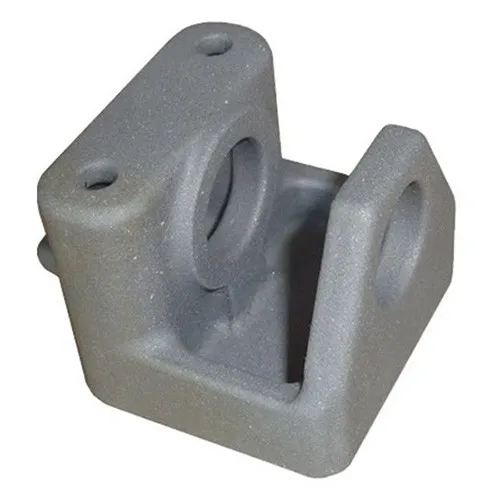
Investment casting, also known as lost-wax casting, is a manufacturing process that is used to produce complex and intricate mechanical parts. It involves creating a mold or pattern of the desired part, which is then used to create a wax model. The wax model is then coated with a ceramic shell, which is then heated to remove the wax and harden the ceramic shell.Once the ceramic shell is hardened, molten metal is poured into the shell, filling the cavity left by the wax model. The metal is allowed to cool and solidify, and then the ceramic shell is broken away to reveal the part. The resulting part is precise and accurate, with a smooth surface finish, and can be produced in quantities ranging from one to hundreds or thousands of parts.

- Product Introduction
Jining Wabon Precision Metal : Your Trustworthy Investment Casting Mechanical Parts Supplier!
Jining Wobon Precision Metal Co., Ltd. is a company established in 2002. Over the years, we have continued to invest in research and development to improve product quality and expand production capabilities. We also have strategic partnerships with other companies to leverage our strengths and build mutually beneficial relationships.
Rich Products
We can produce investment casting, mechanical parts, automobile parts, pump parts, valve parts, aluminum parts, investment casting machinery parts, alloy steel investment casting parts and so on.
Products Widely Used
The products we produce can be widely used in modern industry, aerospace engine parts, automobile parts, turbine impellers, vehicle brake components, and various industrial valves, pumps, ship parts, etc.
Customizable
Our team has 10 years of professional R&D and production experience in the field of comprehensive software and hardware product R&D, able to meet the needs of different markets and customers.
Quality Assurance
Our products have passed CE certification, and we have an independent R&D team with decades of design experience in the field of precision castings.
Related Product Introduction

Machine Spare Parts Investment Casting
Machine spare parts investment casting is a manufacturing process used to produce complex and intricate parts for machines through the use of a wax pattern, ceramic shell mold, and molten metal. This process is used to create parts that are difficult or impossible to produce using traditional machining methods.The investment casting process involves creating a wax pattern, which is then coated in a ceramic shell. The shell is then heated to remove the wax, leaving a hollow mold. Molten metal is poured into the mold, and once it cools and solidifies, the ceramic shell is removed, leaving a finished metal part.

Mechanical Parts Lost Wax Casting
Mechanical parts lost wax casting is a process of creating detailed and complex mechanical parts using a specialized casting technique. In this process, a wax model of the part is first created using a mold or 3D printing. This wax model is then coated in a ceramic shell and heated to remove the wax, creating a hollow cavity in the shell.

Mechanical Parts Precision Casting
Mechanical parts precision casting is a process used to make high-precision metal parts for machinery and equipment. The process involves pouring molten metal into a mold made of ceramic, plaster, or sand, using gravity or pressure to fill the mold completely. Once the metal solidifies, the mold is removed, and the part is finished with precision machining and surface treatment. This method is preferred for making parts that require tight tolerances, intricate shapes, and excellent surface finishes, such as engine components, hydraulic systems, gears, and aerospace parts. The benefits of mechanical parts precision casting include high accuracy, reproducibility, cost-effectiveness, and design flexibility.

Investment Casting Mechanical Parts
Investment casting is a manufacturing process in which molten metal is poured into a ceramic mold to create complex shapes with high accuracy and detail. Investment casting is often used for the production of mechanical parts that require high precision and dimensional accuracy, such as turbines, impellers, and engine components. Investment casting can produce parts with intricate geometries, fine details, and no draft angles, making it ideal for producing complex, high-performance mechanical parts. The process is also suitable for small- to medium-volume production runs, allowing manufacturers to produce custom parts quickly and cost-effectively. Investment casting mechanical parts can be made from a wide range of materials, including steel, aluminum, copper alloys, and more.

Investment Casting Metal Parts
Investment casting metal parts, also known as lost-wax casting, is a manufacturing process that involves creating a wax model or pattern of a part, which is then coated with a ceramic shell. The ceramic shell is then heated to remove the wax, leaving a hollow cavity in the shape of the part. Molten metal is then poured into the ceramic shell, filling the cavity, and left to cool and solidify. Once the metal has cooled, the ceramic shell is broken away, revealing the final metal part.

Alloy Steel Investment Casting
Alloy Steel Investment Casting is a manufacturing process that involves pouring molten metal into a mold to create intricate, detailed, and high-quality parts. Alloy steel investment casting uses a variety of alloys, including stainless steel, carbon steel, and nickel-based alloys, to create parts with enhanced mechanical properties and corrosion-resistant qualities. The investment casting process is ideal for producing parts with complex geometries, tight tolerances, and high surface finishes. Alloy Steel Investment Casting is widely used in the manufacturing of aerospace, automotive, power generation, and medical equipment parts.

Stainless Steel Investment Casting
Stainless steel investment casting is a manufacturing process that involves creating precision components or parts using a wax pattern as a mold to cast stainless steel alloys. This process involves melting a metal alloy and pouring it into a wax mold or pattern. Once the metal cools and solidifies, the wax pattern is removed, leaving behind a highly detailed, accurate, and durable stainless steel part. This method is commonly used to produce complex parts for various industries, including aerospace, automotive, medical, and industrial equipment. The benefits of stainless steel investment casting include high accuracy, repeatability, and a high-quality surface finish.

Stainless Steel Lost Wax Casting
Stainless steel lost wax casting is a precision casting method that involves creating a mold using a wax pattern. The pattern is coated in a ceramic shell that is then heated to remove the wax and create a hollow mold. The mold is then filled with molten stainless steel and allowed to cool and solidify. Once the metal has cooled, the ceramic shell is broken away, and the stainless steel casting is revealed. This casting method is used to create high-quality, complex components with excellent surface finishes. Stainless steel lost wax casting is often used in industries such as aerospace, automotive, and medical.

Investment Steel Casting Parts
Investment steel casting parts refer to components or parts of machines or equipment made of steel through the investment casting process. The investment casting process involves creating a wax pattern of the part, dipping it multiple times in a ceramic slurry to create a mold, melting the wax out of the mold, and pouring molten steel into the resulting cavity. Investment casting allows for the production of highly complex and precise steel parts with excellent surface finishes, making them ideal for use in high-performance applications such as aerospace, automotive, and industrial equipment. Investment steel casting parts can include gears, impellers, valves, pump components, and more.

Lost Wax Casting Metal Parts
Lost wax casting is a process used for making metal parts, in which a wax pattern is created and then coated in a ceramic shell. This shell is then heated so that the wax melts out, leaving behind a hollow cavity that is the exact shape of the desired metal part. Molten metal is then poured into the cavity, and once it cools and solidifies, the ceramic shell is broken away to reveal the finished metal part. Lost wax casting is a popular method for creating metal parts with intricate designs, sharp corners, and fine details, as it allows for great flexibility in creating complex shapes with high precision. It is commonly used in the jewelry, art, aerospace, and industrial industries.

Investment Casting Products
Investment casting products are parts and components that have been manufactured using the investment casting process. This process involves creating a wax or plastic pattern of the desired product, coating it with a ceramic material, and then melting the wax or plastic to leave a hollow ceramic shell. Molten metal is then poured into the shell, filling the void and creating the final product. Investment casting products can be made from a wide variety of metals, including steel, aluminum, brass, and bronze, and are commonly used in industries such as aerospace, automotive, and medical devices. Examples of investment casting products include turbine blades, engine parts, medical implants, and jewelry.

Precision Steel Casting Products
Precision steel casting products refer to metal components that are created using the precision casting process. This process involves pouring molten metal into a mold or pattern to create a near-net-shape product with precise details and dimensions. Precision steel casting products are typically used in industries such as aerospace, automotive, and industrial manufacturing where high strength, durability, and accuracy are essential. Examples of precision steel casting products include gears, valves, mechanical components, and structural parts for machinery and equipment.
Investment casting, also known as lost-wax casting, is a manufacturing process that is used to produce complex and intricate mechanical parts. It involves creating a mold or pattern of the desired part, which is then used to create a wax model. The wax model is then coated with a ceramic shell, which is then heated to remove the wax and harden the ceramic shell.Once the ceramic shell is hardened, molten metal is poured into the shell, filling the cavity left by the wax model. The metal is allowed to cool and solidify, and then the ceramic shell is broken away to reveal the part. The resulting part is precise and accurate, with a smooth surface finish, and can be produced in quantities ranging from one to hundreds or thousands of parts.

Features of Investment Casting Mechanical Parts
01
High Precision
Investment casting is known for its high precision and can produce parts with complex shapes, sharp corners, and thin walls. This is possible because the details in the molds are so fine that even the most intricate designs can be captured.
02
Versatility
Investment casting can be used to make a variety of mechanical parts, including gears, brackets, hinges, valves, and more. The process can also produce parts in a variety of sizes and shapes, making it ideal for creating custom components.
03
Strength and Durability
The casting process produces parts with excellent mechanical properties, including high strength and wear resistance. This is because investment casting allows the use of a variety of materials, including steel, aluminum and titanium, which offer high durability and strength.
04
Smooth Surface Finish
Die casting produces parts with a smooth surface finish, reducing the need for finishing processes. This ensures a high-quality surface without defects such as cracks or deformations.
Process of Investment Casting Mechanical Parts

Pattern Creation
The first step involves creating a pattern of the desired part. The model can be made from a variety of materials, such as wax or plastic, and is an exact replica of the final part. Typically, the pattern is constructed using injection molding or 3D printing technology.

Model Assembly
If the final part consists of multiple components, various methods such as wax welding or adhesives are used to assemble the model together. This step ensures that all necessary features of the part are included in the pattern.

Shell Molding
Once the model is ready, ceramic material is applied around it to form the shell. This is done by dipping the model into a ceramic slurry and then coating it with ceramic refractory. This process is repeated several times to create a thick crust around the pattern. Alternatively, a monolithic ceramic mold can be created using slurry casting techniques.
Dewaxing
After the porcelain shell dries and hardens, the pattern needs to be removed. This is accomplished by subjecting the coating pattern to high temperatures in an oven, causing the wax or plastic to melt and drain out, leaving a cavity within the ceramic shell.

Preheat
Once the wax or plastic is removed, the ceramic shell is preheated to eliminate any remaining moisture and strengthen the shell to withstand the molten metal.

Metal Pouring
The next step is to pour molten metal (such as steel, aluminum or bronze) into the preheated ceramic shell cavity. The metal is usually melted using an induction furnace or other suitable method. Filling of the shell cavity is usually performed under vacuum or controlled atmospheric conditions to minimize defects and ensure uniform filling.

Solidification
After the molten metal is poured, the ceramic shell with the metal inside is allowed to cool and solidify. Setting time depends on metal type and part size. Once the metal solidifies, the ceramic shell becomes a hard investment.

Remove Shell
After the casting solidifies and cools, the investment mold is broken to recover the metal parts. Ceramic shells can be removed by vibration, water spray or chemical dissolution processes. This step requires caution to avoid damaging the cast components when removing the housing.
Finishing and Inspection
The final step involves removing any remaining sprues, sprues or risers attached to the casting. Surface finishing processes such as sandblasting, grinding or machining can be used to achieve the required dimensional accuracy and surface quality. The parts are then inspected for any defects using a variety of techniques, including visual inspection, non-destructive testing or dimensional measurements.

Post-Processing
Depending on the specific requirements of the mechanical parts, additional processes such as heat treatment, surface coating or machining can be performed to enhance mechanical properties or meet specific functional requirements.
How to Choose Investment Casting Mechanical Parts
Define Requirements
Clearly define the mechanical and performance requirements of the part. Consider factors such as strength, hardness and dimensional accuracy.
Material Selection
Select the appropriate casting material based on the required mechanical properties. Common materials include stainless steel, carbon steel and alloys.
Design Considerations
Work closely with design engineers to optimize part geometry for the casting process. Consider draft angles, wall thicknesses, and complex features that can be achieved with investment casting.
Cost Analysis
Evaluate the cost impact of investment casting on specific parts. While it provides accuracy, the initial machining cost may be higher. Consider the overall cost-effectiveness of your project.
Surface Finish
Investment casting provides an excellent surface finish. Determine the required surface quality of the part and ensure that the investment casting meets these requirements.
Tolerances and Dimensional Accuracy
Specify the tolerances and dimensional accuracy required for mechanical parts. Investment casting can achieve tight tolerances, but these should be clearly communicated in the design.
Batch Size and Yield
Consider batch size and production volume. Investment casting is ideal for both small and large production. Evaluate economies of scale based on your specific needs.
Quality Control and Testing
Establish quality control measures and testing procedures to ensure that parts produced meet specified standards. This may include non-destructive testing methods such as X-ray or ultrasonic testing.
Delivery Time
Evaluate the lead time required for investment casting. It usually involves creating wax patterns and molds, so consider production timelines in your project plan.
Supplier Option
Choose a reliable and experienced investment casting supplier. Consider their track record, certifications, and ability to meet your specific requirements.
Environmental Considerations
Assess any environmental factors associated with the casting process, such as the use of certain materials or waste management practices.
Regular Inspection
Conduct routine inspections of the investment casting mechanical parts to check for any signs of wear, damage, or corrosion. Look for cracks, chips, or any other issues that could affect their functionality.
Cleaning
Properly clean the parts to remove any contaminants or debris. Use suitable cleaning methods such as ultrasonic cleaners, chemical solutions, or mechanical methods, depending on the material and specifications of the part. Avoid using harsh cleaning agents that could damage the surface.
Lubrication
Apply appropriate lubricants to moving components of the investment casting mechanical parts. This helps reduce friction, wear, and corrosion, ensuring smooth operation. Use lubricants recommended by the manufacturer or those suited for the specific part and operating conditions.
Corrosion Prevention
Protect the investment casting mechanical parts from corrosion by applying suitable coatings or finishes. These coatings act as a barrier against moisture, chemicals, and environmental factors that can cause corrosion. Consult with experts or manufacturers to select the appropriate coatings or finishes for your specific parts and applications.
Storage
Store investment casting mechanical parts in a clean, dry, and controlled environment. Protect them from extreme temperatures, humidity, and direct sunlight, as these conditions can degrade the quality of the parts over time. Proper storage can prevent corrosion, oxidation, and other forms of damage.
Proper Usage
Follow the manufacturer's guidelines and recommended operating parameters for the investment casting mechanical parts. Ensure that the parts are used within their design limits, including temperature, pressure, and load capacity. Misusing or overloading the parts can lead to premature wear and failure.
Periodic Maintenance
Schedule regular maintenance based on the manufacturer's recommendations or industry standards. This may include inspections, lubrication, calibration, or replacement of worn-out components. Adhering to a maintenance schedule can ensure the continuous performance and reliability of investment casting mechanical parts.
Applications of Investment Casting Mechanical Parts
Aerospace Industry
Investment casting can be used to create complex and high-performance mechanical parts for the aerospace industry, such as turbine blades, fuel nozzles, and various engine components. These parts need to be lightweight, durable, and have excellent strength-to-weight ratios, which makes investment casting a suitable manufacturing process.
Automotive Industry
Investment casting can be used to create various mechanical parts for the automotive industry, such as engine components, suspension parts, and braking systems. Investment casting can create parts with close tolerances, complex shapes, and superior surface finishes, which are all critical requirements for automotive components.
Medical Industry
Investment casting can be used to create precision mechanical parts for the medical industry, such as surgical instruments, prosthetic implants, and dental tools. Investment casting can create parts with a high level of precision and accuracy, which is important when creating medical parts that need to fit and function correctly.
Defense Industry
Investment casting can be used to create critical mechanical parts for the defense industry, such as missile components, gun parts, and unmanned vehicles. Investment casting can create parts with high dimensional accuracy, excellent tensile strength, and resistance to corrosion, which is important for components in the defense industry.
Industrial Machinery
Investment casting can be used to create mechanical parts for various industrial machinery applications, such as pumps, valves, and actuators. Investment casting can create parts that are known for their high quality, consistency, and repeatability, which is important in industrial machinery applications where reliability is critical.

Frequently Asked Questions
Q: 1. What is investment casting and how is it used in the manufacturing of mechanical parts?
Q: 2. What materials can be used in investment casting for mechanical parts?
Q: 3. How does investment casting compare to other methods of manufacturing mechanical parts?
Q: 4. What are the advantages of using investment casting for mechanical parts?
Q: 5. What kind of tolerances can be achieved with investment casting?
Q: 6. How does the cost of investment casting compare to other methods of manufacturing mechanical parts?
Q: 7. Can complex shapes and geometries be achieved with investment casting for mechanical parts?
Q: 8. What kind of surface finishes can be achieved with investment casting for mechanical parts?
Q: 9. How does the size and weight of mechanical parts affect the investment casting process?
Q: 10. How does the design of mechanical parts impact the investment casting process?
Q: 11. Can investment casting be used for high-volume production of mechanical parts?
Q: 12. What kind of quality control measures are used in investment casting for mechanical parts?
Q: 13. What are some common applications for investment casting in mechanical parts?
Q: 14. How does the heat treatment process affect mechanical parts produced through investment casting?
Q: 15. What are some common defects that can occur during investment casting for mechanical parts?
Q: 16. Can investment casting be used for high-temperature application mechanical parts?
Q: 17. How does the level of detail in mechanical part design impact the investment casting process?
Q: 18. How does the use of simulation and modeling impact the investment casting process for mechanical parts?
Q: 19. What kind of lead times can be expected for the production of mechanical parts through investment casting?
Q: 20. What are some future developments and trends in investment casting for mechanical parts?
Hot Tags: investment casting mechanical parts, China investment casting mechanical parts manufacturers, suppliers, factory, Stainless Steel Casting Pump Spare Parts, casting quality, Valve Parts Investment Casting, Investment Aluminum Casting Parts, Investment Casting Pump Impeller, Pump Parts Precision Casting


