




Can lost wax cast aluminum parts be used in marine environments?
 Aug 01, 2025|
Hey there! I'm a supplier of Lost Wax Cast Aluminum Parts, and today I wanna talk about whether these parts can be used in marine environments. It's a question I get a lot, so let's dive right in.
Understanding Lost Wax Cast Aluminum Parts
First off, let's quickly go over what lost wax cast aluminum parts are. Lost wax casting, also known as investment casting, is a process where a wax pattern is made of the desired part. This wax pattern is then coated with a ceramic shell. Once the shell is hardened, the wax is melted out, leaving a cavity in the shape of the part. Molten aluminum is then poured into this cavity, and after it cools and solidifies, the ceramic shell is broken away, revealing the finished aluminum part. You can learn more about Aluminum Investment Casting and Aluminum Lost Wax Casting on our website.
The great thing about this process is that it can create parts with high precision and complex geometries. It's widely used in various industries, from automotive to aerospace. But when it comes to marine environments, there are some unique challenges that we need to consider.
Challenges in Marine Environments
Marine environments are tough on materials. The combination of saltwater, high humidity, and constant exposure to the elements can cause a lot of problems. The main issue is corrosion. Saltwater is highly corrosive, and it can eat away at metals over time. Aluminum, being a metal, is not immune to this.

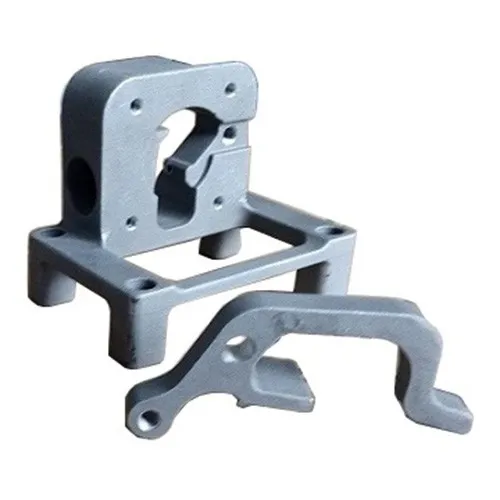
Another challenge is the presence of marine organisms. Barnacles, mussels, and other critters can attach themselves to the surface of the parts, causing additional wear and tear. And let's not forget about the mechanical stresses that come with being in a marine environment. Waves, currents, and the movement of the vessel can all put a lot of strain on the parts.
Can Lost Wax Cast Aluminum Parts Withstand the Marine Environment?
The short answer is yes, but with some caveats. Aluminum has a natural oxide layer that provides some protection against corrosion. However, in a marine environment, this layer can be compromised by the high salt content and other factors. That's why it's important to take additional steps to protect the parts.
One way to do this is through surface treatments. Anodizing is a popular option. It creates a thicker and more durable oxide layer on the surface of the aluminum, which can significantly improve its corrosion resistance. Powder coating is another option. It provides a protective barrier that can prevent saltwater and other corrosive substances from reaching the aluminum.
In addition to surface treatments, the choice of aluminum alloy also plays a crucial role. Some alloys are more resistant to corrosion than others. For example, alloys with a high magnesium content tend to have better corrosion resistance in marine environments.
Benefits of Using Lost Wax Cast Aluminum Parts in Marine Applications
Despite the challenges, there are also some significant benefits to using lost wax cast aluminum parts in marine applications. One of the biggest advantages is the weight. Aluminum is much lighter than other metals like steel, which can help reduce the overall weight of the vessel. This, in turn, can improve fuel efficiency and performance.
Another benefit is the ability to create complex shapes. In marine applications, there are often parts with intricate designs that are difficult to manufacture using other methods. Lost wax casting allows us to create these parts with high precision, ensuring a perfect fit and optimal performance.
Case Studies
Let's take a look at some real-world examples of lost wax cast aluminum parts being used in marine environments. One company used our lost wax cast aluminum parts for the control panels of their boats. These parts were anodized to improve their corrosion resistance, and they have been performing well for several years. The high precision of the parts ensured that they fit perfectly into the panels, and the lightweight aluminum helped to reduce the overall weight of the boat.
Another example is a marine equipment manufacturer that used our parts for their underwater cameras. The complex geometries of the parts were crucial for the proper functioning of the cameras, and the corrosion-resistant surface treatments ensured that they could withstand the harsh marine environment.
Tips for Using Lost Wax Cast Aluminum Parts in Marine Environments
If you're considering using lost wax cast aluminum parts in a marine application, here are some tips to keep in mind:
- Choose the right alloy: As mentioned earlier, the choice of alloy can have a big impact on the corrosion resistance of the parts. Work with your supplier to select an alloy that is suitable for your specific application.
- Apply appropriate surface treatments: Anodizing, powder coating, or other surface treatments can significantly improve the corrosion resistance of the parts. Make sure to discuss your options with your supplier.
- Regular maintenance: Even with the best surface treatments, regular maintenance is still important. Inspect the parts regularly for signs of corrosion or damage, and take appropriate action if needed.
- Consider the design: The design of the parts can also affect their performance in a marine environment. For example, avoiding sharp edges and crevices can help prevent the accumulation of salt and other debris.
Conclusion
So, can lost wax cast aluminum parts be used in marine environments? Absolutely. With the right alloy selection, surface treatments, and maintenance, these parts can provide reliable performance in even the toughest marine conditions.
If you're in the market for high-quality lost wax cast aluminum parts for your marine application, I'd love to hear from you. We have the expertise and experience to create parts that meet your specific requirements. Whether you need a single prototype or a large production run, we can help. So don't hesitate to reach out and start a conversation. Let's work together to find the best solution for your marine needs.
References
- Jones, A. (2018). Corrosion in Marine Environments: Causes and Prevention. Marine Technology Journal, 52(3), 45-52.
- Smith, B. (2019). The Use of Aluminum Alloys in Marine Applications. Journal of Marine Engineering and Technology, 12(2), 67-74.
- Brown, C. (2020). Surface Treatments for Aluminum in Marine Environments. Proceedings of the International Conference on Marine Materials, 345-352.