




What are the different types of car tires (e.g., all - season, summer, winter)?
 Sep 23, 2025|
 Hey there, car enthusiasts! As an auto parts supplier, I've seen it all when it comes to car tires. Tires are one of the most crucial components of your vehicle, directly affecting your safety, performance, and driving experience. In this blog, I'll break down the different types of car tires available in the market, so you can make an informed decision when it's time to replace yours.
All - Season Tires
All - season tires are probably the most common type of tires you'll see on the road. They're designed to provide a good balance of performance in a variety of weather conditions, including dry, wet, and light snow.
The tread pattern of all - season tires is a bit of a compromise. It has enough grooves to channel water away from the tire's contact patch, reducing the risk of hydroplaning in wet conditions. At the same time, the tread blocks are arranged in a way that offers decent traction on dry roads.
One of the biggest advantages of all - season tires is their convenience. You don't have to switch your tires with the changing seasons, which saves you time and money on tire storage and installation. However, they're not the best option for extreme weather conditions. In heavy snow or extremely cold temperatures, their performance can be significantly reduced.
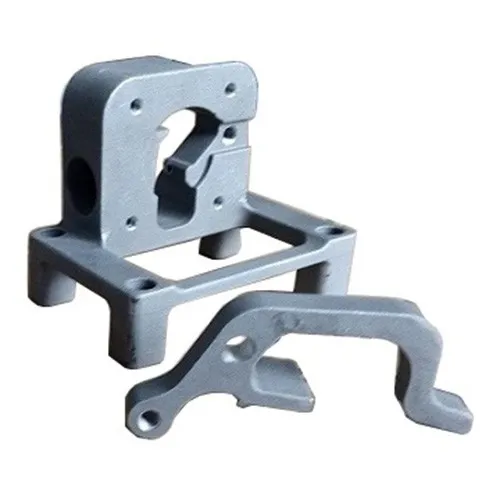
If you live in an area with mild weather throughout the year, all - season tires are a great choice. They offer a good combination of comfort, durability, and performance for everyday driving. And if you're looking for other auto parts to complement your vehicle, check out our Stainless Steel Casting Automotive Spare Parts.
Summer Tires
Summer tires are designed for optimal performance in warm weather conditions. They're made from a softer rubber compound that provides better grip on dry and wet roads when the temperature is above 45°F (7°C).
The tread pattern of summer tires is typically more aggressive than all - season tires. The wider tread blocks and fewer grooves allow for better contact with the road surface, resulting in improved handling, braking, and cornering performance.
Summer tires are a popular choice for sports cars and high - performance vehicles. They can handle high speeds and sharp turns with ease, giving you a more exhilarating driving experience. However, they're not suitable for cold weather. When the temperature drops, the rubber compound hardens, reducing traction and increasing the risk of accidents.
If you're a driving enthusiast who loves to push your vehicle to the limit during the summer months, summer tires are definitely worth considering. And don't forget to explore our Investment Casting Auto Parts for other high - quality components.
Winter Tires
Winter tires are specifically designed to perform in cold, snowy, and icy conditions. They're made from a special rubber compound that remains flexible at low temperatures, providing better traction on slippery surfaces.
The tread pattern of winter tires is much more complex than all - season or summer tires. It has deeper grooves and more sipes (tiny slits in the tread blocks) that help to grip the snow and ice. These features also allow the tire to expel water and slush, reducing the risk of hydroplaning.
Using winter tires in cold weather can significantly improve your safety on the road. They provide better braking, acceleration, and handling in snow and ice, reducing the chances of accidents. However, they're not ideal for warm weather. The soft rubber compound wears out quickly at higher temperatures, and the tread pattern can cause excessive noise and vibration on dry roads.
If you live in an area with harsh winters, investing in a set of winter tires is a no - brainer. It's a small price to pay for the peace of mind and added safety they provide. And while you're at it, take a look at our Investment Casting Auto Parts to keep your vehicle in top shape.
Performance Tires
Performance tires are designed for drivers who demand the highest level of performance from their vehicles. They're similar to summer tires in that they're made for warm weather and offer excellent handling and grip. However, performance tires take things a step further.
These tires are often used on high - end sports cars and luxury vehicles. They have a lower profile and wider tread, which provides a larger contact patch with the road. This results in better traction, improved cornering, and more precise steering.
Performance tires also have a stiffer sidewall, which helps to maintain the tire's shape during high - speed maneuvers. However, they come at a cost. They're more expensive than other types of tires, and they tend to wear out faster.
If you're a serious driving enthusiast who loves to take your vehicle to the track or push it to its limits on the open road, performance tires are the way to go. But remember, they're not suitable for everyday driving in all conditions.
Mud - Terrain Tires
Mud - terrain tires are designed for off - road use, particularly in muddy and rough terrain. They have a very aggressive tread pattern with large, deep lugs that can grip the mud and provide traction.
The sidewalls of mud - terrain tires are also very thick and strong, which helps to protect the tire from punctures and damage when driving over rocks and other sharp objects.
One of the drawbacks of mud - terrain tires is that they can be noisy on the highway. The large tread blocks create a lot of vibration and noise, which can make for an uncomfortable driving experience. They also have a lower fuel efficiency compared to other types of tires.
If you're an off - road enthusiast who loves to explore the great outdoors, mud - terrain tires are a must - have. They'll give you the confidence to tackle any mud pit or rough trail with ease.
Highway Tires
Highway tires are designed for long - distance driving on paved roads. They're optimized for comfort, durability, and fuel efficiency.
The tread pattern of highway tires is relatively smooth, with small, evenly spaced grooves. This design helps to reduce road noise and vibration, providing a quiet and comfortable ride.
Highway tires also have a hard rubber compound, which makes them more resistant to wear and tear. They're a great choice for commuters and people who do a lot of highway driving.

If you spend a lot of time on the road, investing in a set of highway tires can make your driving experience much more enjoyable. They'll save you money on fuel and keep you comfortable during those long trips.
Conclusion
As you can see, there are many different types of car tires available, each with its own unique features and benefits. The type of tire you choose depends on your driving habits, the climate in your area, and your vehicle's needs.
If you're still not sure which type of tire is right for you, don't hesitate to contact us. We're an auto parts supplier with years of experience, and we're here to help you make the best decision. We also offer a wide range of other auto parts, so you can find everything you need to keep your vehicle running smoothly.
Whether you're looking for tires, Stainless Steel Casting Automotive Spare Parts, or Investment Casting Auto Parts, we've got you covered. Contact us today to start the procurement negotiation process, and let's work together to get your vehicle in top condition!
References
- Tire Rack. (n.d.). Types of Tires. Retrieved from the Tire Rack website.
- Consumer Reports. (n.d.). Tire Buying Guide. Retrieved from the Consumer Reports website.